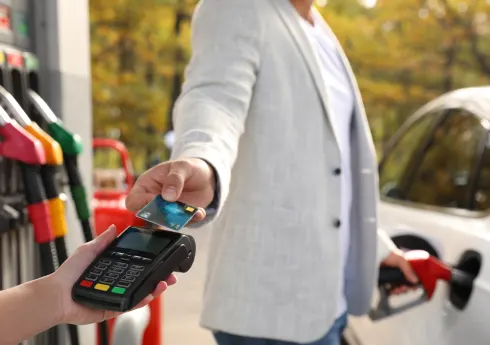
Business gas cards can be powerful tools to help streamline fuel purchases, track spending, and even reduce overall fuel costs. However, with so many options available, finding the right gas card for your business can be a challenge. This guide offers a general overview of what to consider when choosing the ideal card for your company's needs.
Understanding Business Gas Cards
Business gas cards are specialized credit or charge cards that allow companies to purchase fuel and sometimes maintenance services for their vehicles. Unlike personal credit cards, these are tailored to business operations and offer features that help owners and fleet managers manage expenses more efficiently. The best gas cards not only provide convenience but also help with cost tracking, reporting, and even rewards.
Some gas cards are affiliated with a single fuel brand and can only be used at specific stations, while others offer more flexibility with broader acceptance at various locations. Deciding between these two types often depends on how your fleet operates and where your drivers typically fuel up.
Evaluating Your Business Needs
Before selecting a gas card, it’s important to take a step back and assess your company’s fueling habits and priorities. Understanding how many vehicles are in your fleet, how often they refuel, and what types of fuel they use can shape the criteria you use to compare cards. If your vehicles operate in a wide geographic area, a card with a broad acceptance network may be more beneficial. If they operate locally and tend to fill up at the same brand of stations, a brand-specific card with added discounts could offer better value.
Some businesses place a strong emphasis on fuel savings, while others may prioritize detailed reporting tools or fraud protection features. Clarifying these priorities upfront will make it easier to choose a card that fits your unique operational model.
Comparing Card Features and Benefits
The differences between gas cards extend beyond where they can be used. One of the most critical features to look at is how the card helps manage fuel spending. Many cards offer detailed transaction reports, including the date, time, location, and amount of each purchase. This level of detail can be invaluable for monitoring usage patterns and detecting unauthorized spending.
Another common feature is the ability to set purchase controls for individual drivers or vehicles. These controls can limit how much fuel a cardholder can buy, what times of day the card can be used, and whether the card can be used for non-fuel purchases. This helps businesses maintain tighter control over expenses and reduce the risk of misuse.
Additionally, some gas cards come with built-in rewards programs or rebates, which can translate to cost savings. These rewards may come in the form of cents-per-gallon discounts, monthly statement credits, or other loyalty perks. While these benefits can be attractive, it's important to weigh them against any potential fees or interest rates that may apply.
Considering Cost and Payment Options
Different gas cards operate on varying payment models. Some are charge cards that require the balance to be paid in full each month, while others function as revolving credit cards that allow balances to be carried over with interest. Businesses should choose a payment structure that aligns with their cash flow and financial strategy.
Fees are another aspect to consider. While some cards have no annual fees, others may include monthly account charges, late payment penalties, or transaction fees. It’s worth reviewing the fine print to ensure the total cost of using the card doesn’t outweigh the benefits it offers.
Security and Fraud Protection
Security is a key concern for any business handling multiple transactions across various locations. A good gas card should offer robust fraud protection, including real-time alerts for suspicious activity and the ability to disable a lost or stolen card quickly. Some cards even provide integration with GPS tracking or telematics systems to match fuel transactions with actual vehicle locations, adding an extra layer of protection.
Business owners should also ensure that employees understand how to use the cards responsibly. Setting clear company policies and providing training can go a long way in preventing misuse and ensuring that the system works smoothly.